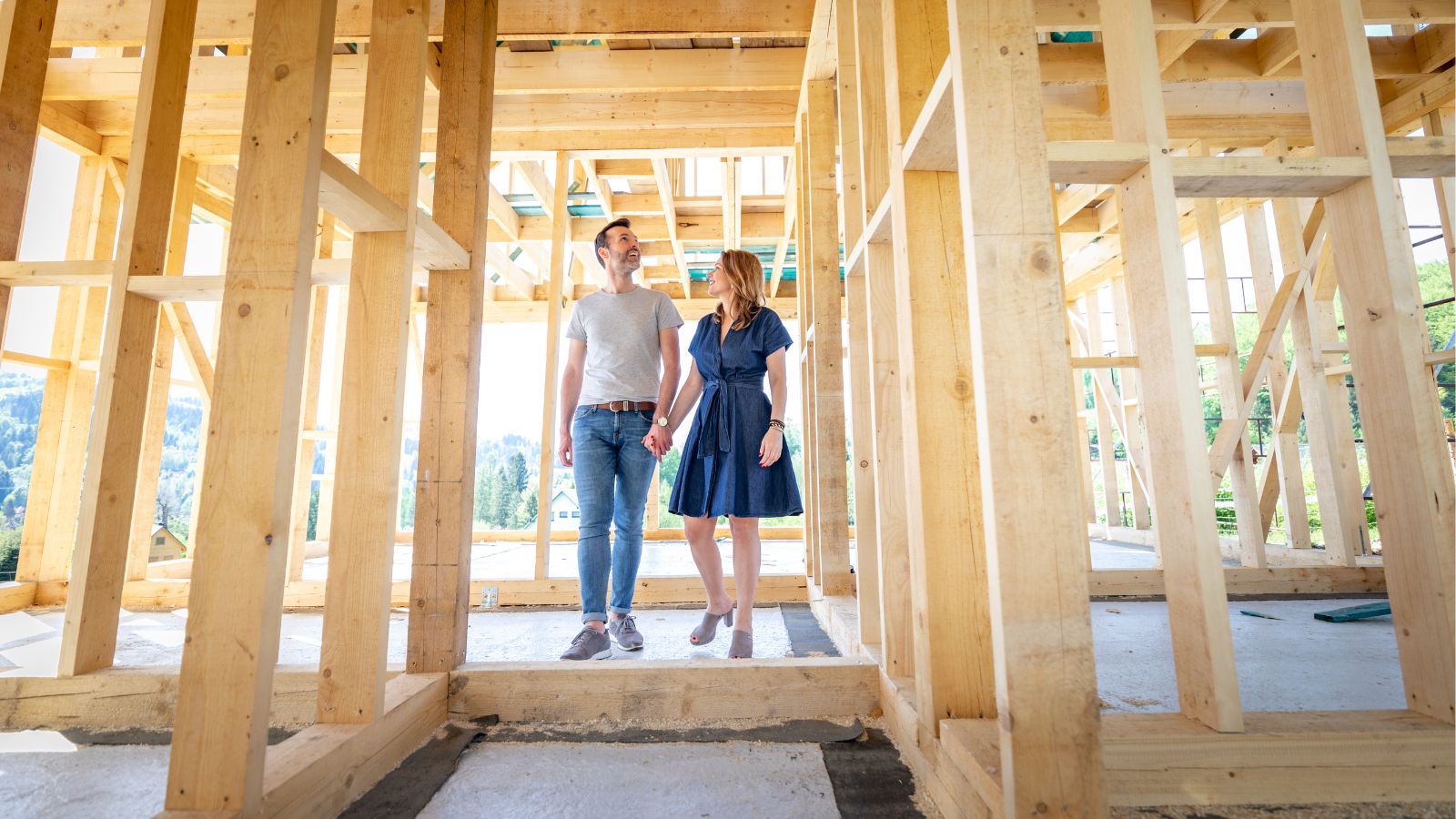
Building a home is an exciting opportunity. Instead of searching for an existing house that checks every box, you can create a home designed around your family's needs, style, and future plans.
Before construction begins, however, you'll need a financing plan. For many Oklahoma families, a construction loan is the solution that makes building a home possible.
Unlike a traditional mortgage, a construction loan works differently because the home is being built while financing is in place. Understanding how construction loans work, what lenders look for, and what to expect during the building process can help you move forward with confidence.
At Triad Bank, we help Oklahoma homebuyers navigate new construction financing with local expertise, personalized guidance, and lending solutions designed to support your project from start to finish.
What Is a Construction Loan?
A construction loan is a specialized type of loan designed to finance the building of a new home. Unlike a traditional mortgage, which provides funds in a single transaction when purchasing an existing property, a construction loan distributes funds in stages as construction progresses.
Because the home does not yet exist as completed collateral, lenders evaluate several factors before approval, including your financial qualifications, builder credentials, project budget, and detailed construction plan.
Construction financing can be used for:
- Building a primary residence
- Building a vacation or second home
- Constructing a custom home on owned land
- Purchasing land and financing construction
For Oklahoma homeowners considering building a home, construction financing often provides the flexibility needed to bring a custom vision to life.
How Construction Loans Work
Understanding how construction loans work is essential before starting the building process.
Rather than receiving a lump sum at closing, funds are distributed in scheduled draws throughout the project. These draws correspond with major milestones during the construction phase, such as:
- Site preparation
- Foundation completion
- Framing
- Mechanical systems installation
- Interior finishes
- Final completion
The lender verifies progress before releasing each draw to ensure the project remains on schedule and within budget.
During construction, borrowers typically make payments based on the amount already disbursed rather than the total approved loan amount. This can help manage costs while the home is being built.
Once construction is complete, borrowers work with their lender to determine the next financing step based on their individual goals, financial situation, and available mortgage options.
Stand-Alone Construction Loans
One of the most common financing options for building a home is a stand-alone construction loan.
A stand-alone home construction loan finances the building phase of your project. Funds are distributed in stages throughout construction as work is completed and approved through the draw process.
Benefits of a stand-alone construction loan may include:
- Financing tailored specifically to the construction phase
- Flexibility to evaluate mortgage options once construction is complete
- Ability to work with your lender to determine the best long-term financing solution based on future needs and market conditions
- Structured funding that aligns with construction milestones
Once construction is complete, borrowers obtain a separate mortgage to pay off the construction loan and move into long-term home financing.
For many Oklahoma homebuyers, a stand-alone construction loan provides the flexibility needed to build first and evaluate permanent financing options once the project is finished.
Construction Loan vs. Traditional Mortgage
Many prospective homeowners wonder whether to pursue a construction loan or purchase an existing home with a conventional mortgage.
Understanding the differences is important.
| Construction Loan |
Traditional Mortgage |
| Funds released in stages |
Funds released at closing |
| Home is built during financing |
Home already exists |
| Requires builder plans and budget |
Requires purchase agreement |
| Construction inspections required |
Property appraisal typically sufficient |
| Permanent financing may be required |
Already long-term financing |
While a traditional mortgage may be simpler, many borrowers find that building a home allows them to create one that better fits their needs and preferences.
Build vs Buy Home: Which Option Is Right for You?
The decision between a build vs buy strategy depends on your goals, timeline, and budget.
Benefits of Building a Home
Choosing a construction mortgage for a custom build can offer several advantages:
- Personalized floor plans
- Modern layouts and features
- Improved energy efficiency
- Reduced maintenance concerns
- Ability to select finishes and materials
New construction also allows homeowners to incorporate evolving lifestyle needs from the beginning.
Benefits of Buying an Existing Home
On the other hand, buying an existing home may provide:
- Faster move-in timelines
- Established neighborhoods
- Potentially lower upfront costs
- Less decision-making throughout the process
Both approaches have value. The right decision often comes down to balancing convenience, customization, and budget.
Building a House in Oklahoma: What to Expect
If you're considering building a house instead of purchasing an existing property, it's important to understand the process before construction begins.
Many Oklahoma homebuyers start by finding a suitable lot, creating a budget, and selecting a builder. Some also choose to work with a real estate agent who specializes in land purchases or new construction communities. An experienced real estate professional can help you evaluate locations, understand local market conditions, and identify opportunities that align with your goals.
As you begin planning, keep in mind that the cost of building can vary based on factors such as labor availability, material prices, lot preparation, and local demand. Construction timelines may also vary depending on weather conditions, permitting requirements, and the complexity of the project.
Having a detailed construction plan and a realistic budget can help keep your project on track and make the financing process smoother. Working with local professionals who understand the Oklahoma market can help you avoid common surprises and feel more confident throughout the construction phase.
Understanding Construction Costs
Before pursuing financing a new build, it is important to understand the many factors that influence construction costs.
Common expenses include:
- Land acquisition
- Site preparation
- Utility connections
- Materials
- Labor
- Permits and inspections
- Landscaping
- Contingency reserves
The overall cost of building can vary significantly depending on location, home size, materials, and market conditions.
Working with experienced builders and local lenders helps create realistic expectations and avoid surprises throughout the project.
What Lenders Consider When Approving a Construction Loan
Construction financing involves more moving parts than many other loan programs.
When evaluating a borrower, lenders often review:
Credit Score
Your credit score helps demonstrate your history of managing debt responsibly.
While requirements vary, stronger credit profiles generally improve financing opportunities.
Income and Financial Stability
Lenders want confidence that borrowers can successfully manage the project and make payments throughout the construction process.
Builder Qualifications
The builder's experience, reputation, and financial stability play an important role in approval decisions.
Construction Plan and Budget
A detailed construction plan and realistic budget help lenders evaluate project feasibility.
The more comprehensive the documentation, the smoother the process tends to be.
Interest Rate Considerations
When evaluating a construction loan, many borrowers focus first on the interest rate. While the rate is certainly important, it is only one piece of the overall financing picture.
Your loan structure, project timeline, construction budget, and long-term goals can all influence which financing option makes the most sense. Construction financing involves several moving parts, and the best solution depends on your individual circumstances.
The best approach is to work with a lender who can explain your options clearly and help you understand both the short-term and long-term costs associated with financing a new build. Looking beyond the interest rate alone can help ensure you select the financing solution that best supports your goals.
Common Construction Loan Myths
Misconceptions often discourage borrowers from exploring construction financing.
Let's address a few common myths.
Myth #1: Construction Loans Are Only for Luxury Homes
Construction financing supports a wide range of projects, from modest family homes to custom estates.
Myth #2: You Need All Cash to Build
While borrowers typically contribute to project costs, construction financing is specifically designed to fund the building process.
Myth #3: Construction Financing Is Too Complicated
The process involves additional documentation, but experienced lenders guide borrowers through each step.
Myth #4: You Must Own Land Before Applying
Many construction financing solutions can include both land acquisition and construction costs within a single financing strategy.
Can You Use Home Equity to Build?
For some homeowners, existing property equity may help support a new construction project.
Options can include:
- Home equity financing
- A cash out refinance
- Leveraging owned land equity
These strategies vary based on individual circumstances and should be discussed with an experienced lender before moving forward.
Pros and Cons of Construction Financing
Every financing solution comes with advantages and tradeoffs.
Pros
- Build a home tailored to your needs
- Modern features and energy efficiency
- Potentially lower maintenance costs
- Greater control over design decisions
- Opportunity to create long-term value
Cons
- Longer project timelines
- Potential changes in construction costs
- Additional documentation requirements
- Multiple inspections throughout construction
- More decisions during the building process
Evaluating these pros and cons helps ensure your financing choice aligns with your goals.
Why Oklahoma Homeowners Are Choosing New Construction
Across Oklahoma, continued population growth and economic development are creating opportunities for new home construction.
Many buyers find that building a home in Oklahoma allows them to secure land, personalize their living space, and invest in communities that fit their long-term plans.
Whether building in Tulsa, the surrounding suburbs, or growing rural communities, new construction remains an attractive option for homeowners seeking flexibility and customization.
Partner with Triad Bank for Your Construction Financing Needs
A successful homebuilding project starts with careful planning and the right financial partner.
At Triad Bank, we understand that building a home in Oklahoma is about more than construction. It's about creating a place where your family can grow, celebrate milestones, and build a future. Our experienced lending team works closely with borrowers throughout the process, helping them understand financing options, prepare for each stage of construction, and make informed decisions along the way.
Whether you're exploring a home construction loan, comparing the costs of building versus buying an existing home, or looking for guidance on financing a new build, we're here to help. Our team can walk you through the construction loan process, explain what to expect during the construction phase, and help you prepare for the next steps once your new home is complete.
Start Building Your Future Today
Building a home is one of the biggest investments you'll ever make. With the right financing strategy and a trusted local lender by your side, the process can be more straightforward than you might think.
From reviewing your construction plan to helping you understand construction costs and financing options, Triad Bank is committed to helping Oklahoma homebuyers move forward with confidence.
Contact Triad Bank today to learn more about construction loans, new construction financing, and how we can help bring your dream home to life.
FAQs
What is a construction loan?
A construction loan is a short-term financing solution used to fund the cost of building a home from the ground up. Unlike a traditional mortgage, funds are distributed in stages throughout the construction phase as work is completed. Construction loans can be used for land purchases, labor, materials, permits, and other expenses associated with building a home. Once construction is complete, borrowers work with their lender to secure long-term financing based on their individual needs and goals.
How is a construction loan different from a traditional mortgage?
A construction loan differs from a traditional mortgage because it finances a home while it is being built rather than purchasing an existing property. Instead of receiving a lump sum at closing, funds are released in draws as construction milestones are completed. During the construction phase, borrowers may make payments based on the amount of funds disbursed. Once the home is complete, the construction loan is typically paid off through a separate mortgage that provides long-term financing.
Can you finance both the land and the construction of a home?
Yes, many new construction financing programs allow borrowers to finance both the land purchase and the cost of construction through a single construction loan. This can simplify the financing process and reduce the need for multiple loans. Depending on the lender and the project, financing may cover the lot, site preparation, materials, labor, permits, and other construction costs associated with building a house in Oklahoma.
Do construction loans require a larger down payment?
Down payment requirements for a home construction loan vary based on the lender, the borrower's financial profile, and the overall project. Factors such as your credit score, available assets, debt-to-income ratio, and the total project budget may influence the amount required. Some borrowers may also be able to use existing land equity toward the project. Speaking with a lender early in the planning process can help you understand your financing options and what may be required for your specific construction plan.
Is building a home better than buying an existing home?
The answer depends on your goals, timeline, and budget. Building a home allows you to customize the floor plan, finishes, and features to fit your lifestyle while benefiting from newer materials and energy-efficient construction. On the other hand, buying an existing home may offer a faster move-in timeline and access to established neighborhoods. When considering a build vs buy home decision, it's important to evaluate construction costs, financing options, long-term maintenance expenses, and your personal preferences before choosing the path that's right for you.